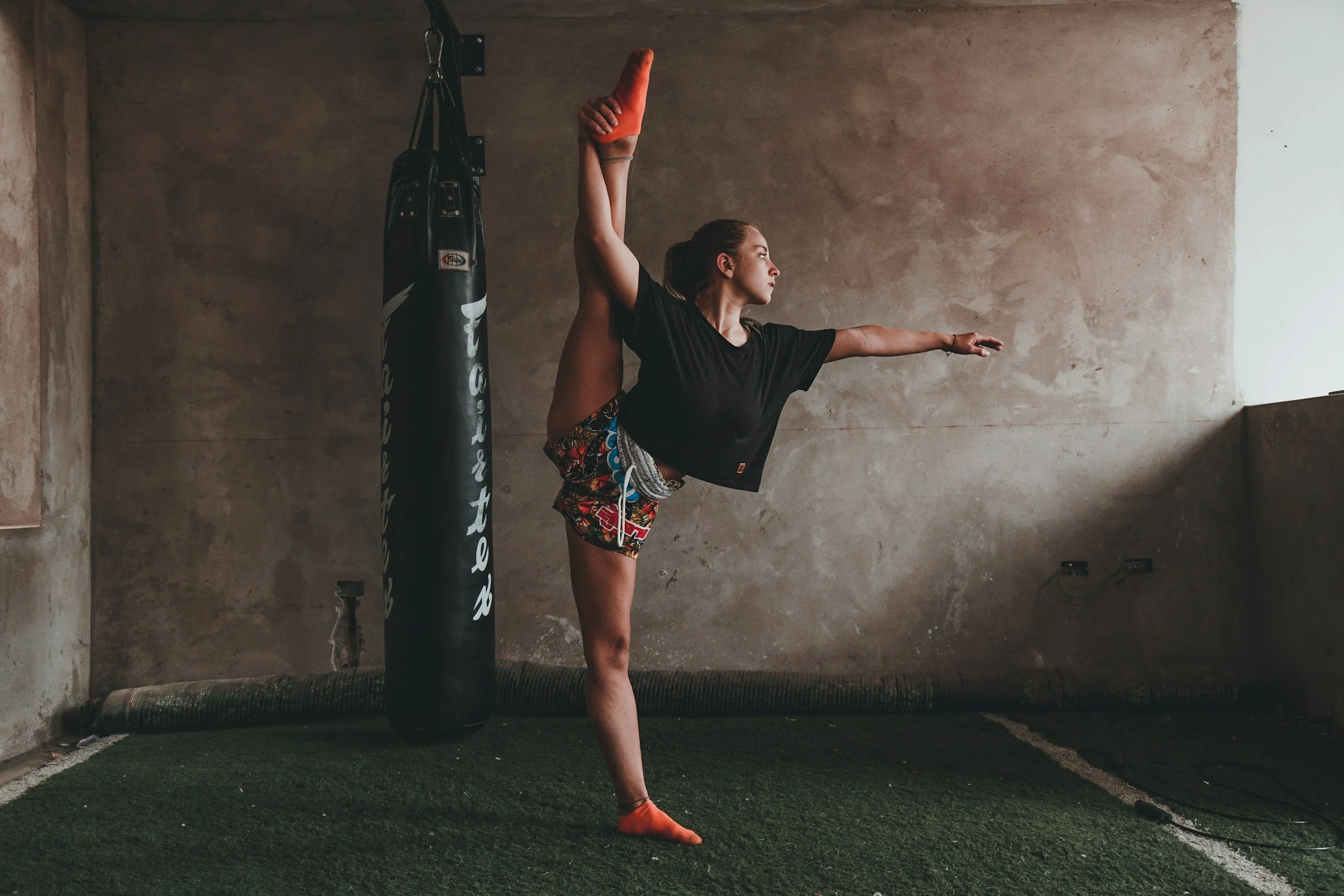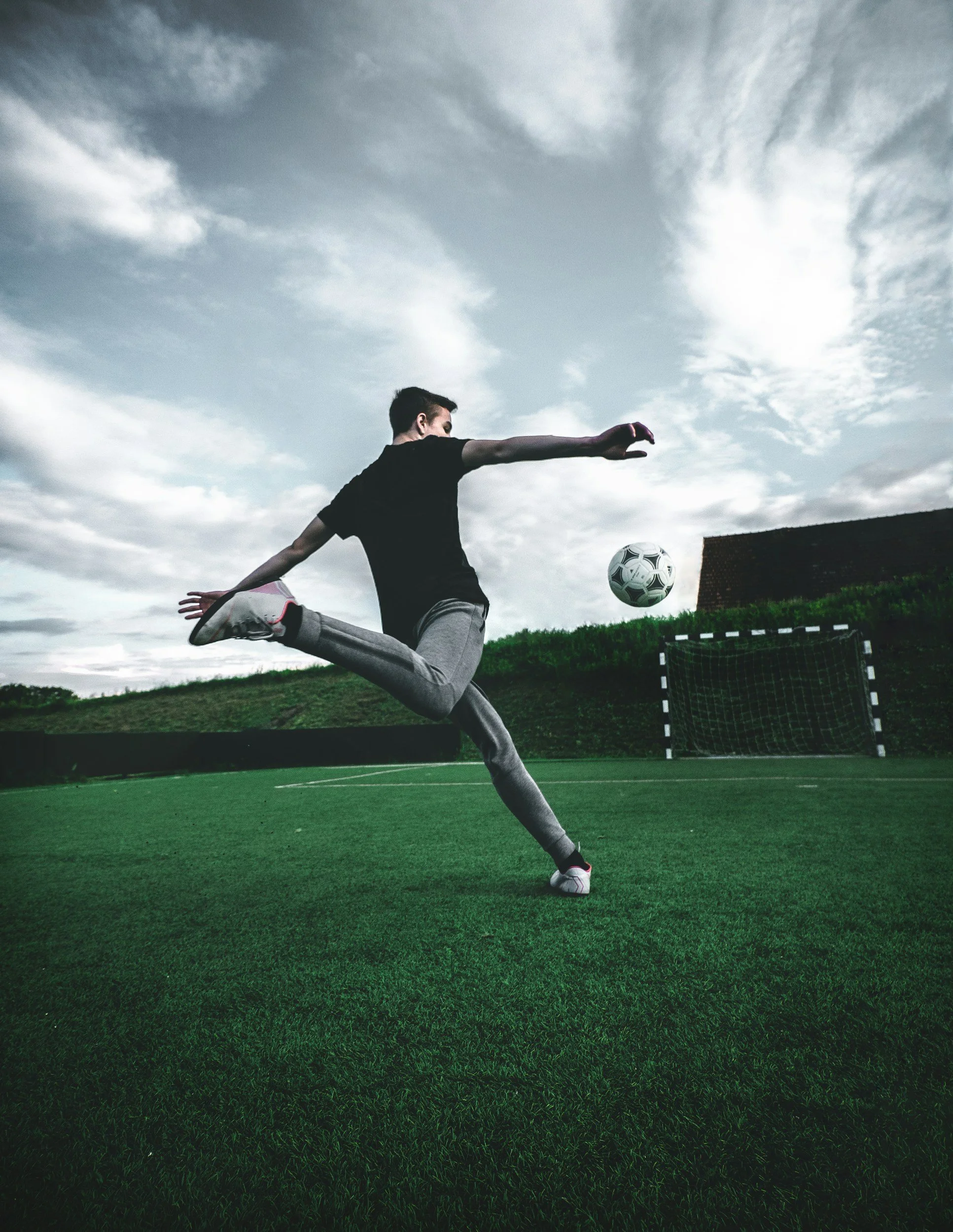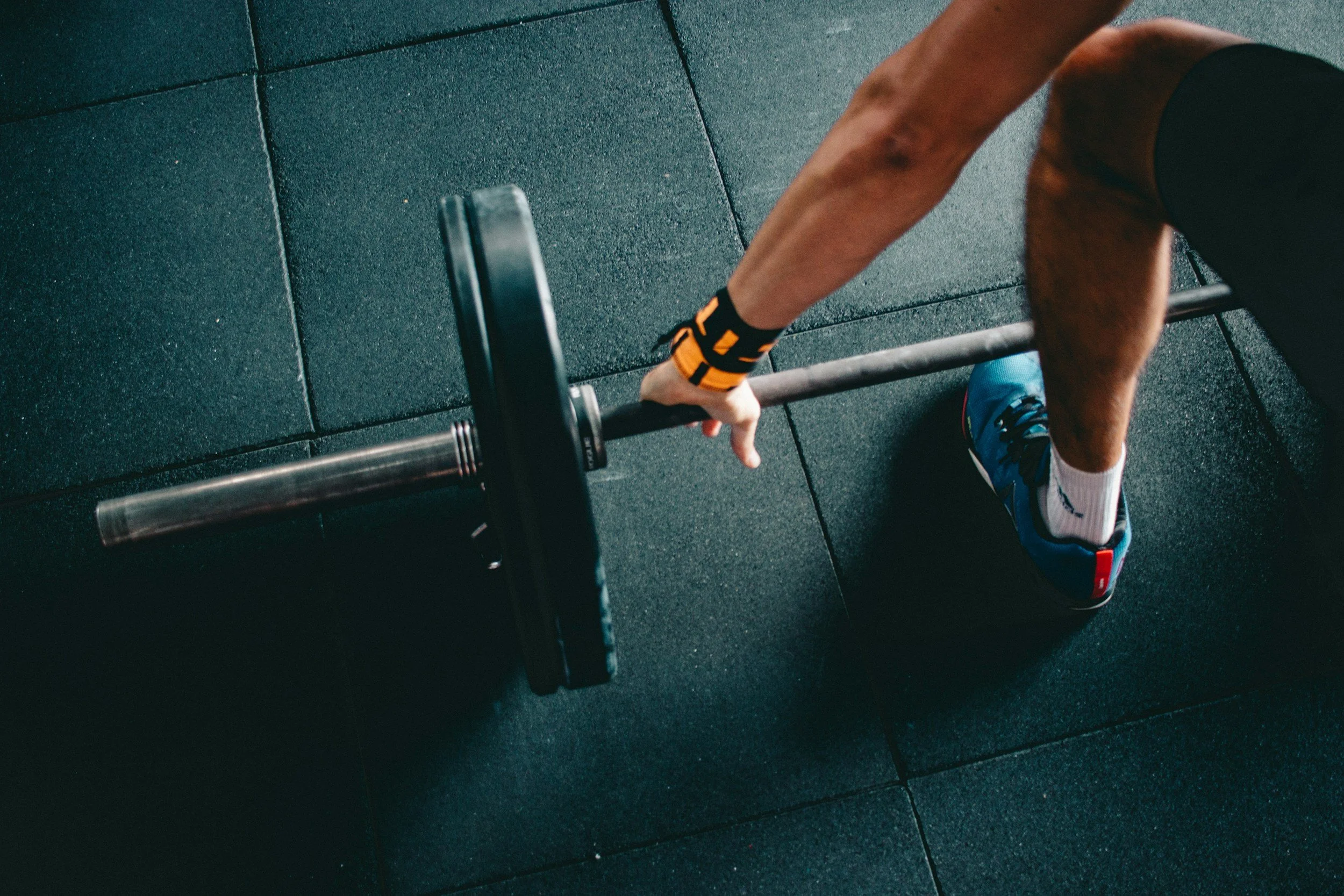
You’re struggling with your confidence
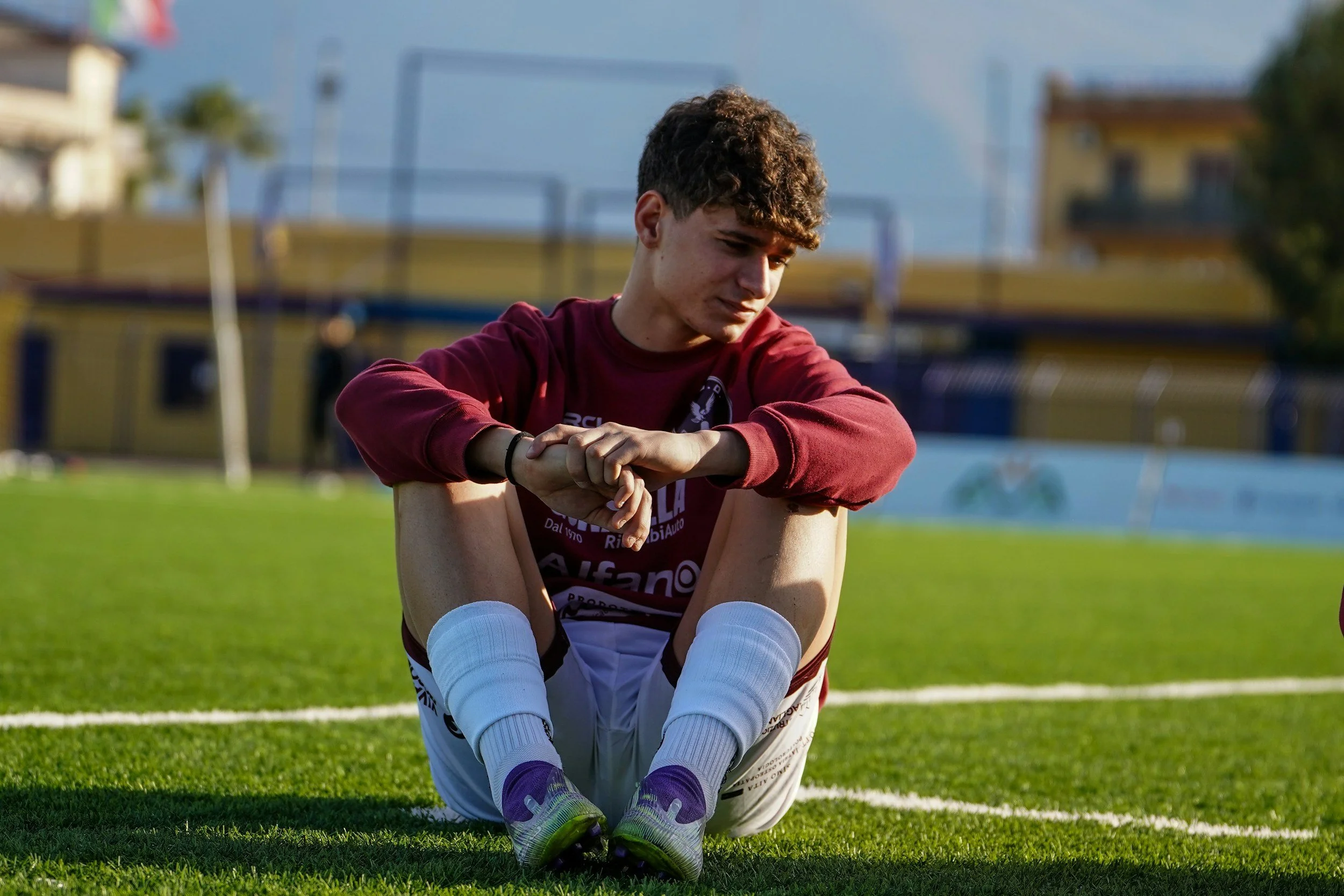
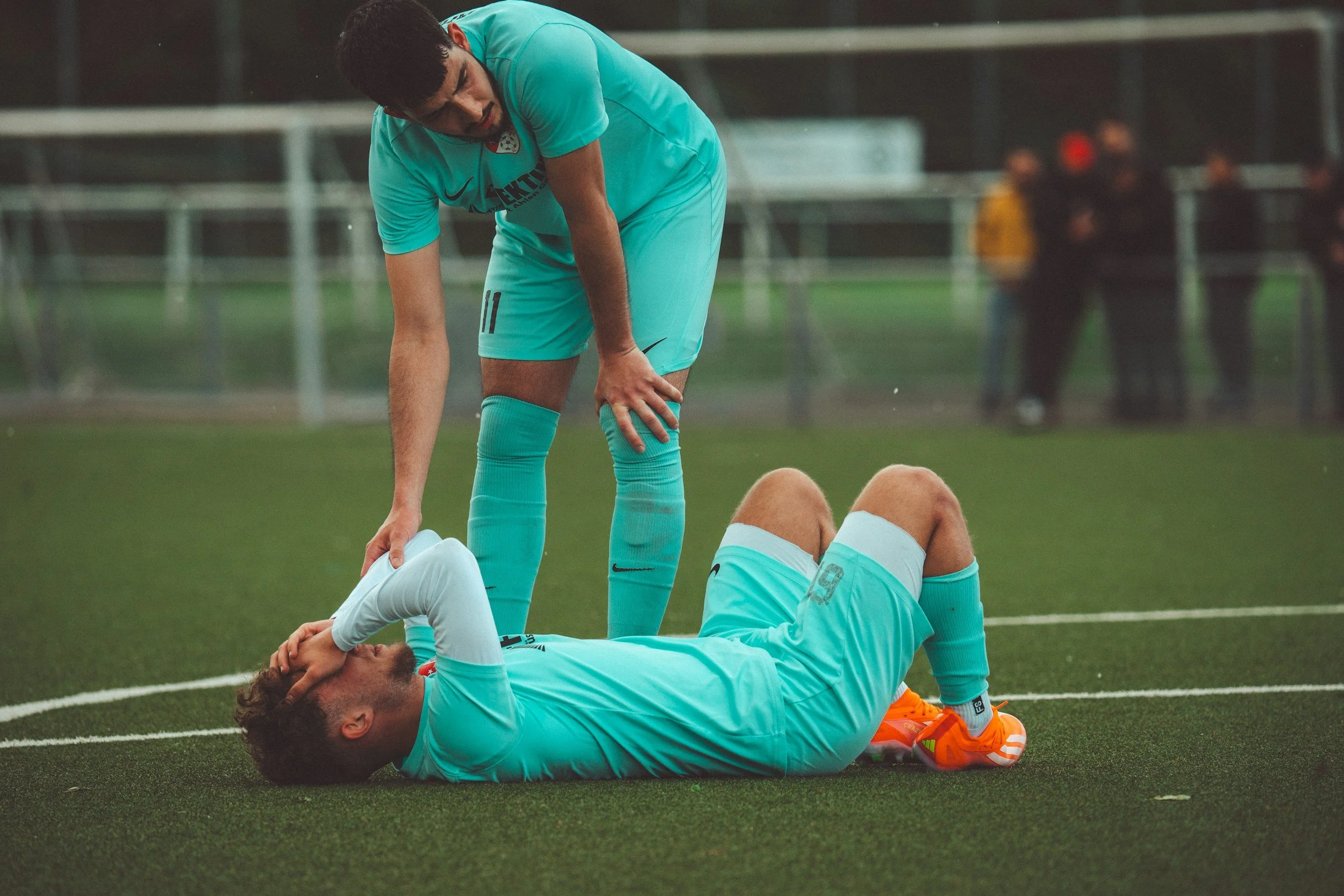
You are an athlete or high achiever who looks composed on the outside, but inside, it feels like everything is spinning out of control.
You push yourself to excel, yet anxiety, an eating disorder, or anxiety may be holding you back.
You are tired of struggling with perfectionism, self-criticism, and the pressure to constantly be at your best.
Are you ready to start feeling connected, confident, and empowered?
Mental Health Services Houston, Texas
-
Sports Performance Counseling
-
Eating Disorder Therapy
-
Anxiety Therapy
-
Compulsive Exercise
-
Trauma Therapy
Therapy for the Person Behind the Performance
Sports Performance and Eating Disorder Counselor
Hey! I ‘m Yamilet Molina
Therapist. Former Division I Athlete. Your Mental Health Advocate.
I'm a Licensed Professional Counselor (LPC), former Division I athlete, two-time Division I national champion, and founder of YM Counseling Services. My work focuses on eating disorders, sports performance, anxiety, trauma, and compulsive exercise.
As an athlete myself, I understand how easy it can be to tie your identity and self-worth to what you accomplish. You can be disciplined, successful, and capable of performing under pressure while privately struggling with performance anxiety, perfectionism, body image concerns, or the feeling that you're never doing enough.
I combine my clinical training with my firsthand experience as an athlete to help teens and adults develop a healthier relationship with food, exercise, achievement, and themselves—without losing the parts of their identity that matter to them.
You don't have to stop striving for your goals. You just don't have to sacrifice your mental health to reach them.
Game-Changing Counseling in Houston, TX
Through therapy with me, you will be able to
Find peace with food and your body to overcome eating disorders
Improve focus and concentration for peak athletic performance
Boost confidence and self-esteem in sports and life
Develop effective strategies to manage performance anxiety and stress
Heal from past traumas and improve overall well-being.
I am
LGBTQIA+ Affirming
Social Justice & Anti-Oppression Focused
Size Inclusive
Health at Every Size (HAES) Aligned
Trauma Informed
Neurodiverse Affirming
Mental Health Resources for Athletes, Eating Disorders & Anxiety
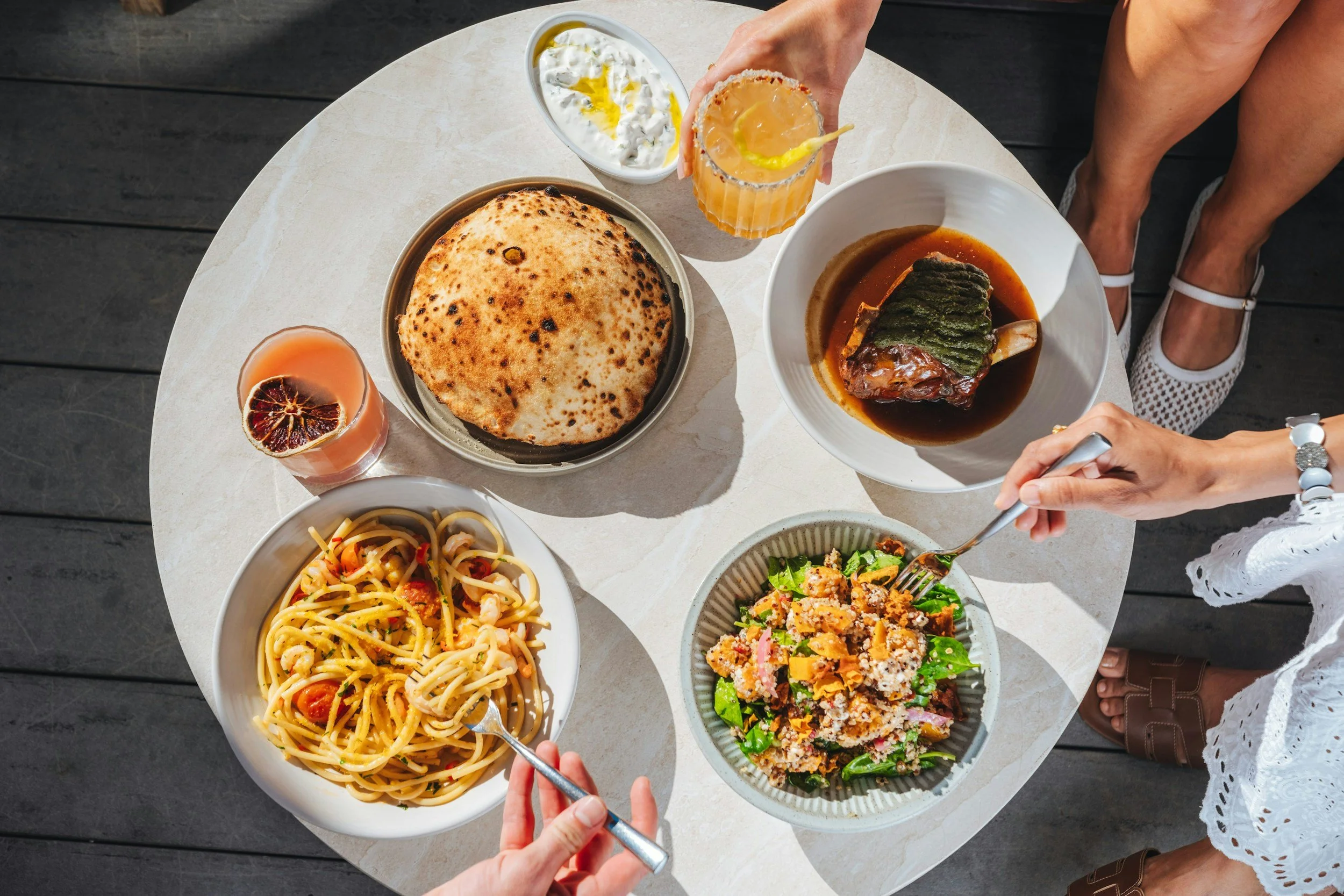
Eating disorder recovery isn't always a straight line. You may find yourself noticing old thoughts, behaviors, or anxieties around food, exercise, and body image returning after a period of progress. Recognizing the signs of an eating disorder relapse doesn't mean you've failed. Learn about common warning signs, potential triggers, and how reconnecting with professional support can help you navigate recovery.
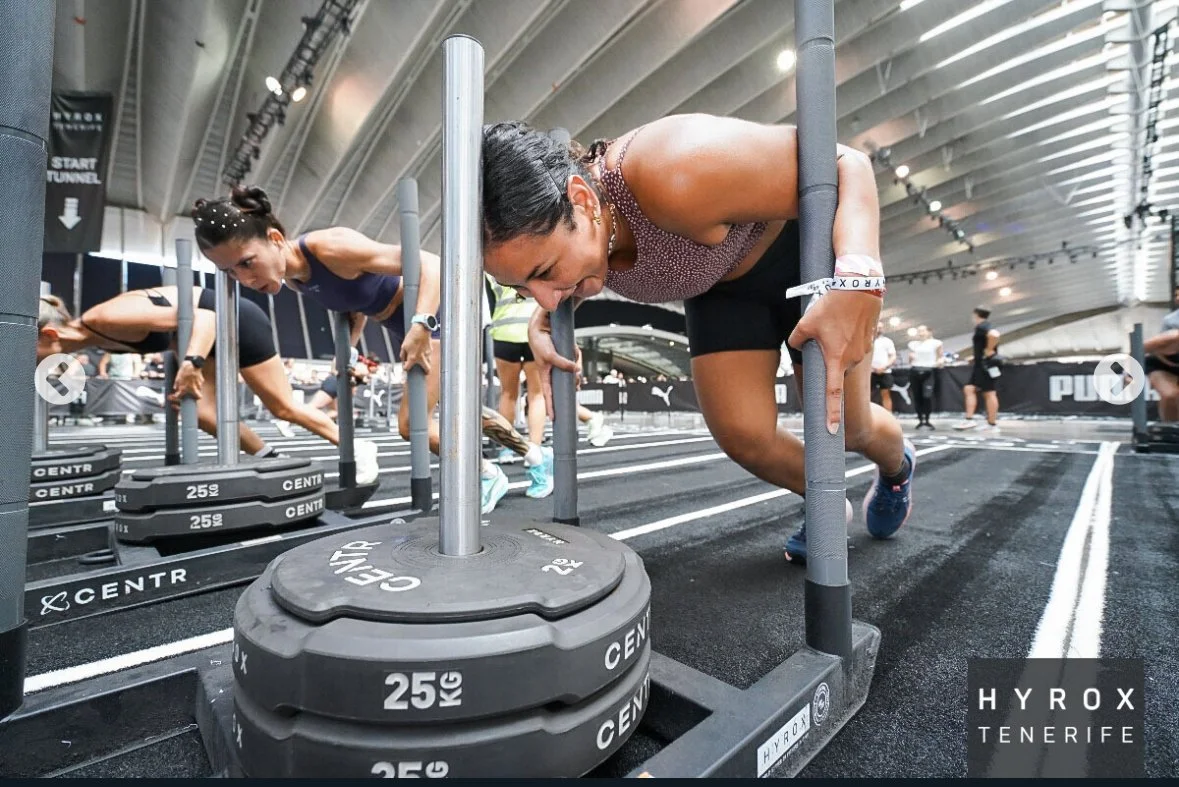
You can love HYROX, enjoy pushing your limits, and feel proud of your strength while still struggling with body image. As an eating disorder therapist and HYROX competitor, I’m exploring the side of competitive fitness we don't talk about enough: comparison, body image, and learning to enjoy the sport without feeling like your body has to look a certain way.
Do you overthink during competition even when you know you're prepared? Learn why athletes get stuck in their heads and how to manage performance anxiety, perfectionism, and fear of failure.
Afraid of gaining weight? Fear of weight gain can affect how you eat, exercise, and feel about your body. Learn how body image concerns, disordered eating, compulsive exercise, and eating disorders can contribute to weight gain anxiety—and when it may be time to seek support.
Thinking about food all day can be exhausting and confusing. Learn why food may be taking up so much mental space, including underfueling, food restriction, exercise, stress, anxiety, and disordered eating.
Do you perform well in practice but freeze during competition? Learn why competition pressure can trigger sports performance anxiety, overthinking, and self-doubtand how athletes can learn to perform with confidence when it matters most.
Athletes can experience eating disorders, compulsive exercise, and body image concerns while still appearing successful on the outside. Learn why specialized eating disorder therapy for athletes can help address the unique pressures of performance, food, and exercise.
Learn why athletes struggle with body image even at peak performance, the warning signs of disordered eating, and how to build a healthier relationship with your body.
When kids freeze, shut down, or underperform in sports, it’s often not a lack of skill it’s performance anxiety and pressure. Learn how parental expectations can impact confidence and what helps children thrive.
Do you feel guilty, anxious, or restless when you miss a workout? While it's normal to feel disappointed, intense anxiety around exercise may signal a deeper struggle with compulsive exercise, perfectionism, or body image concerns.
Fear around food is often about more than the food itself. Learn why anxiety, disordered eating, and food rules can make certain foods feel "unsafe" and how you can begin rebuilding trust with eating.
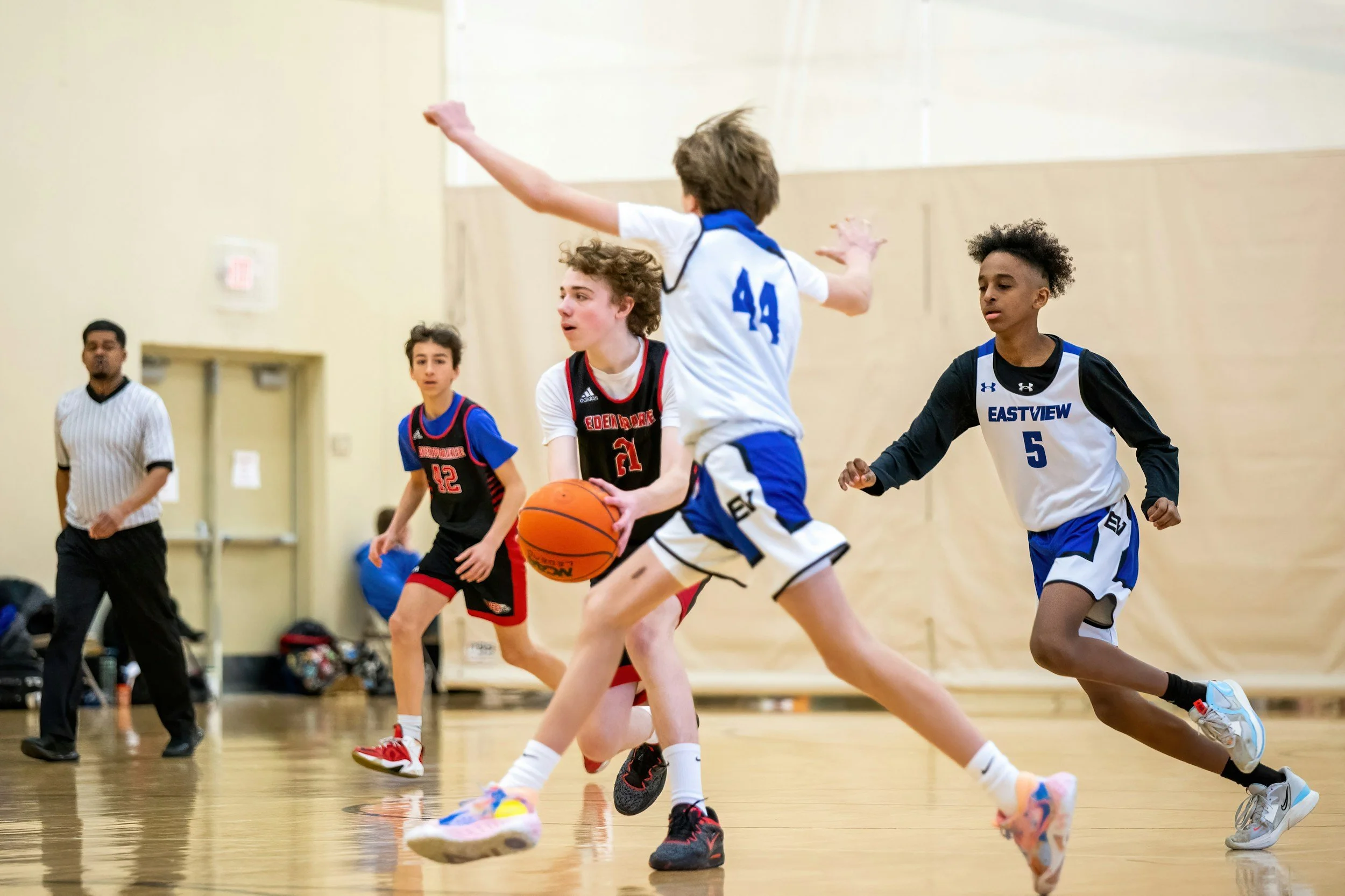
It’s common for preteens and teens to experience a drop in confidence in sports, even if they once played freely and enjoyed the game. As competition increases and self-awareness grows, young athletes often begin to overthink, compare themselves to others, and fear making mistakes. This shift can impact performance, motivation, and overall enjoyment of their sport.
Understanding why confidence changes during this stage is key to supporting young athletes effectively. By addressing factors like pressure, social comparison, and emotional development, preteens and teens can learn how to rebuild confidence and perform with more freedom.
Sports injuries don’t just impact the body they affect confidence, performance, and trust. This blog explores how EMDR therapy helps athletes process fear, overcome mental blocks, and return to sport with confidence.
Recovering from an injury isn’t just a physical challenge—it’s a mental one too. Athletes often face frustration, self-doubt, and anxiety while sidelined, which can slow progress and affect confidence. Developing mental resilience during recovery is just as important as completing rehab exercises.
Strategies like focusing on what you can control, staying connected with your team, visualizing success, and practicing self-compassion help athletes maintain motivation and rebuild confidence. Breaking recovery into small, measurable goals ensures consistent progress while reducing stress about returning to sport.
Discover how stress and anxiety affect eating and how Houston eating disorder therapy at YM Counseling Services can help restore balance and control.
Mental toughness for runners isn’t about ignoring pain it’s about responding skillfully to stress and discomfort. In this blog post, I review 5 skills that runners can utilize to improve mental toughness.
Basketball isn’t just a physical game—it’s a mental one. Even top players can struggle with mental blocks that affect their confidence, focus, and decision-making on the court. Maybe you hesitate on a clutch shot, overthink a play, or let one mistake spiral into several more. These moments are normal, but they don’t have to define your performance. By recognizing common mental barriers and using simple, practical strategies to overcome them, you can stay calm under pressure, trust your skills, and play at your best when it matters most.
Taking a rest day can feel impossible if exercise has become a way to cope, control, or escape difficult emotions. Learn why compulsive exercise develops, why rest triggers guilt, and compassionate strategies to regain balance.
Nighttime binge eating isn’t about willpower—it’s your emotions asking for care. Learn to identify underlying feelings, discover what they truly need, and respond with compassionate coping strategies that help you regain control and peace around food.
Confidence isn’t just talent—it’s a skill. Learn how to gain confidence in sports by focusing on your strengths, letting go of fear, and mastering mental preparation.
Dating someone with an eating disorder can be challenging, but understanding, empathy, and support make a difference. Learn how to recognize warning signs, prioritize your own self-care, and know when to seek professional guidance.
Talking to your teen about food and body image can be challenging — but it’s one of the most powerful ways to build their confidence and prevent disordered eating. Learn how to foster open conversations, model balance, and help your teen develop a healthy relationship with food and their body.
This blog explores the balance between fueling and restricting in athletes. Learn how proper nutrition supports performance, recovery, and mental health. Discover strategies from a Houston eating disorder therapist to develop a healthy relationship with food and exercise.
This blog explores the connection between body image, self-worth, and eating disorder recovery. Learn how therapy can help you rebuild confidence, develop self-compassion, and create a healthier relationship with food and your body. Written by a Houston eating disorder therapist, this post offers practical steps toward healing, balance, and lasting self-acceptance.
Soccer is as much a mental game as it is physical. By building a strong mindset, you can step onto the field with focus, confidence, and trust in your abilities. This blog will give you the tools to manage performance anxiety in soccor to help you thrive both on and off the field.
Many people believe anorexia only affects those who are underweight—but that’s a dangerous myth. In this post, we’ll explore why you can have anorexia without being underweight, the signs to look for, and why early treatment for anorexia nervosa is critical for recovery. Learn the truth and how therapy can help.
Retiring from sports can trigger identity loss, anxiety, and uncertainty. This blog offers insight and 6 expert-backed tips to support athletes through a healthy mental transition after retirement.
This blog explores how the drive for physical perfection can lead to harmful thought patterns, disordered eating, and negative self-image. This post unpacks how body ideals, social media pressure, and performance-based motivation can interfere with true well-being—and how to recognize when your goals may be doing more harm than good. If you’ve ever questioned your relationship with your body, food, or fitness, this post offers insight and support for building a healthier, more compassionate path forward.
Competitive swimming demands more than just physical strength, it requires a focused and resilient mindset. This blog explores essential mental preparation techniques swimmers can use to enhance performance, manage pre-race nerves, and stay mentally sharp throughout training and competition. From visualization and breathing exercises to building confidence and maintaining focus under pressure, these strategies can help swimmers of all levels dive in with clarity, calm, and control.
Binge eating disorder and emotional eating may seem similar, but they’re distinct in important ways. In this blog, we’ll explore the differences between these two eating patterns, the triggers behind them, and how you can address them with effective therapy. Learn actionable strategies for managing overeating and developing a healthier relationship with food.
You Don't Have to Keep Doing Everything on Your Own.

If you’re searching for a psychotherapist in Houston, Texas, or need online therapy in Houston, my services are designed to help you thrive.
Houston Psychotherapy.
Feeling peaceful in your life and in your body is possible!